
Grid Modernization
Modernizing grid operations and security with fiber optics
Fiber optics serve as a high-speed communication backbone that modernizes grid operations by providing:
- Streamlined Control & Monitoring: Simplifies the management of grid installations and accelerates real-time system monitoring.
- Advanced Analytics: Enables rapid device interaction and reliable data flow for predictive grid analytics.
- Critical Infrastructure Security: Offers significantly higher security and reliability for the nation's energy grid compared to traditional copper networks.
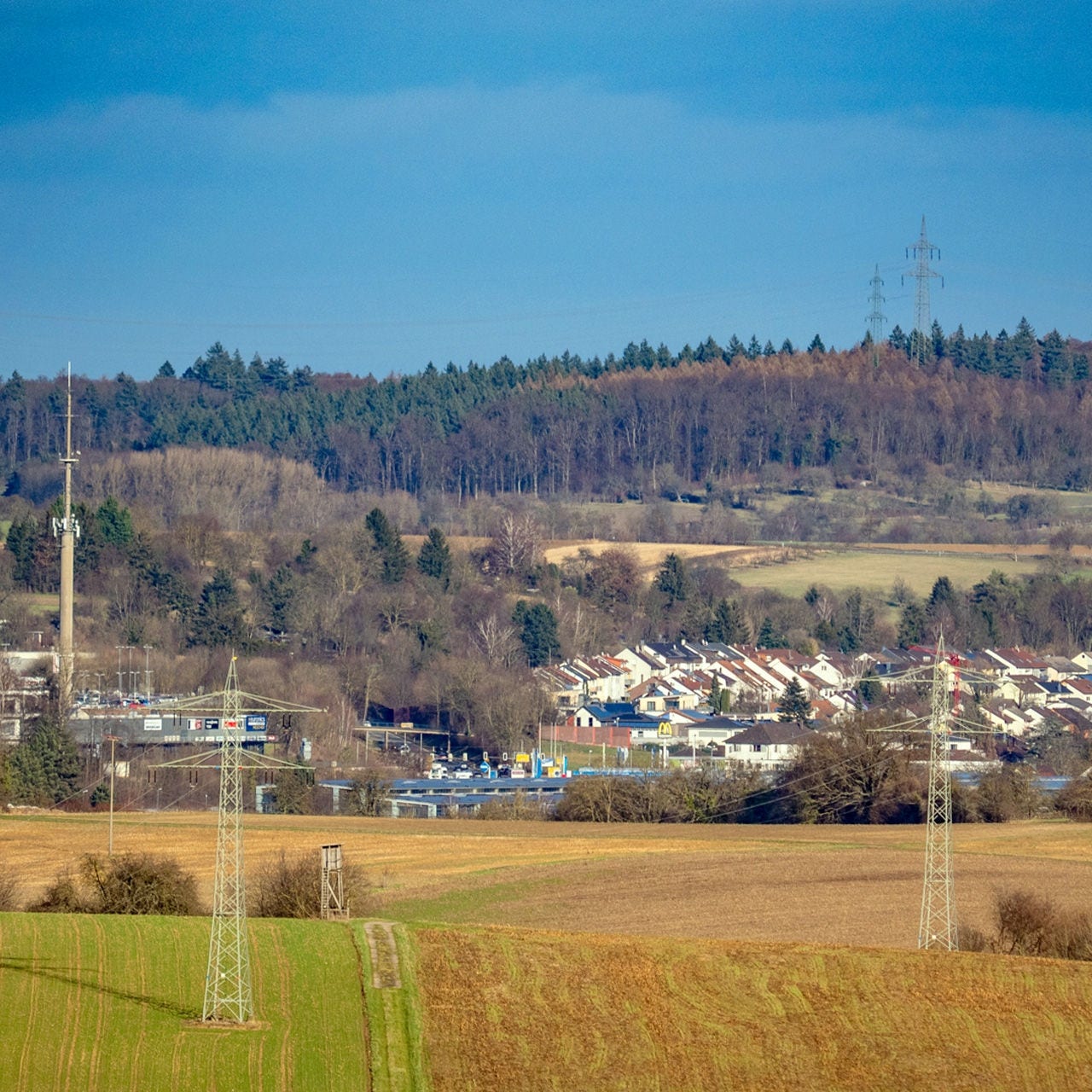 rural homes with power grid along landscape
Benefits and features
The impact of a modernized grid

Modernizing smart grids with fiber optic connectivity directly benefits electric utility companies by drastically improving their operational efficiency through low latency and the additional bandwidth required to monitor power grids in real time.

Broadband companies in underserved communities benefit heavily through infrastructure sharing in rural communities which gain access to high-speed broadband internet, bridging the digital divide and driving local economic growth.

Residential, commercial, and industrial energy consumers reap major rewards enabled by fiber optics offering a more resilient and self-healing grid, consumers experience fewer power interruptions and faster service restoration during severe weather events.
The journey of electricity from production to consumption

Wide-area monitoring
Track and control grid health in real time
Renewable integration
Combines wind, solar, and hydro into the main grid
Dynamic routing
Reroutes power during line failures

Substation automation
Control voltage levels automatically
Self-healing networks
Detects faults and isolates damaged power lines
Bi-directional flow
Manages power safely back into the grid

Smart meters
Tracks energy usage and enables two-way communication with utilities
Home energy management
Optimize energy use in smart appliances
EV orchestration
Controls electric vehicle charging times
High-speed low latency communication
How Low-Latency Networks Enable Real-Time Grid Control
Effective smart grid control requires near-instantaneous data exchange between substations and control centers. By utilizing high-speed fiber networks, utilities can achieve:
- Real-Time Scheduling & Load Balancing: Enables the rapid data transmission (latency below 5ms) required for automated decision-making and efficient grid routing.
- Rapid Fault Isolation (FLISR): Empowers Fault Location, Isolation, and Service Restoration systems to pinpoint outages and reroute power in seconds, drastically minimizing downtime.
- IoT & Smart Meter Integration: Delivers the massive bandwidth needed to connect millions of grid-edge IoT devices and smart meters, ensuring seamless, grid-wide communication.
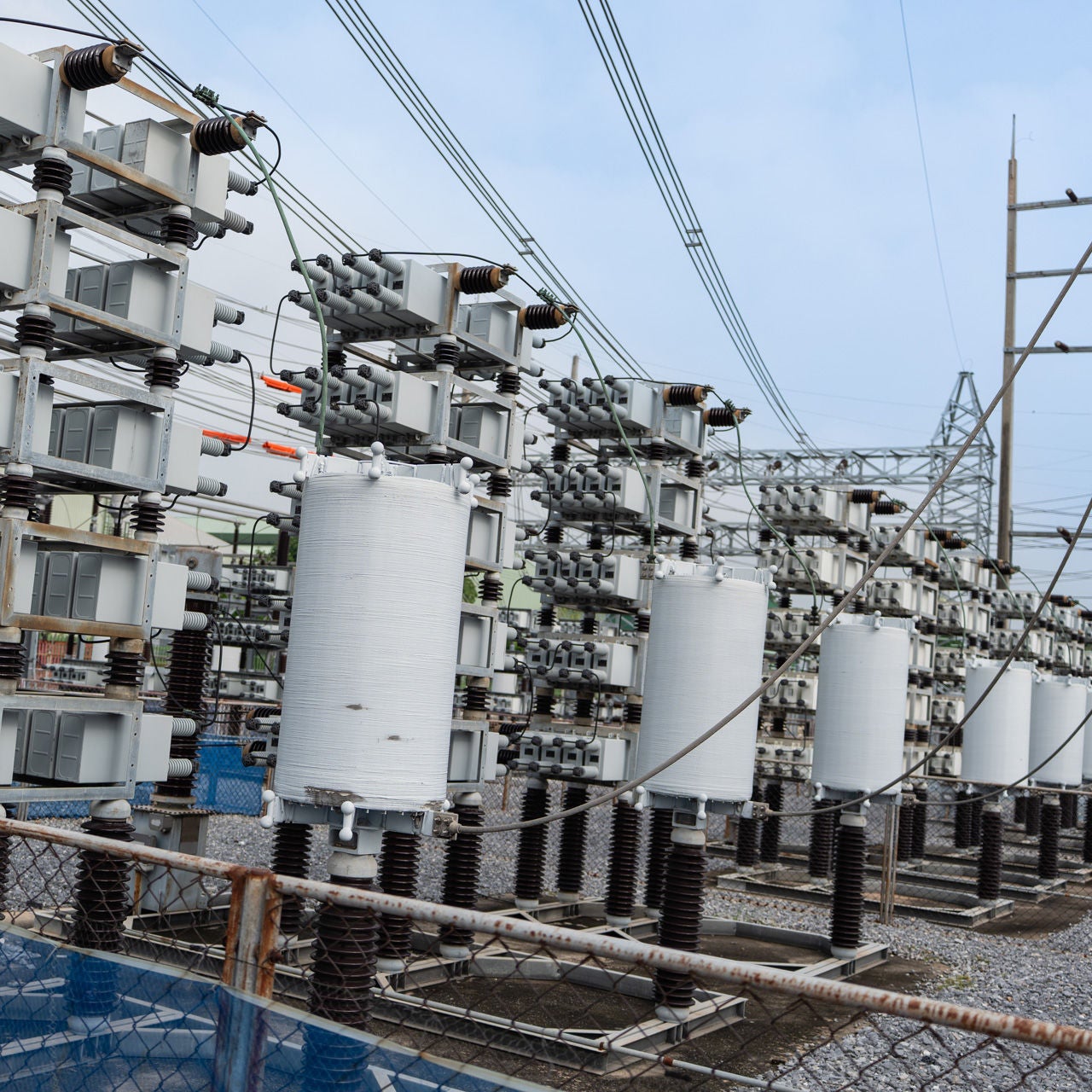
Enhance security and resilience
Why are Fiber Optic Networks the Most Secure Choice for Smart Grids?
Fiber’s unique physical properties offer critical infrastructure unmatched protection against disruptions:
- Protection from Environmental Threats: Fiber is entirely immune to the electromagnetic interference (EMI) and lightning strikes that typically disrupt copper networks in high-voltage areas.
- Protection from Human Threats: Fiber provides a hardened physical layer for cybersecurity; tapping or intercepting light signals without immediate detection is incredibly difficult.
- Rapid, Low-Risk Deployment: By leveraging existing Optical Ground Wires (OPGW) on utility towers, operators can deploy advanced monitoring systems in a matter of hours, keeping maintenance costs and field crew risks low.
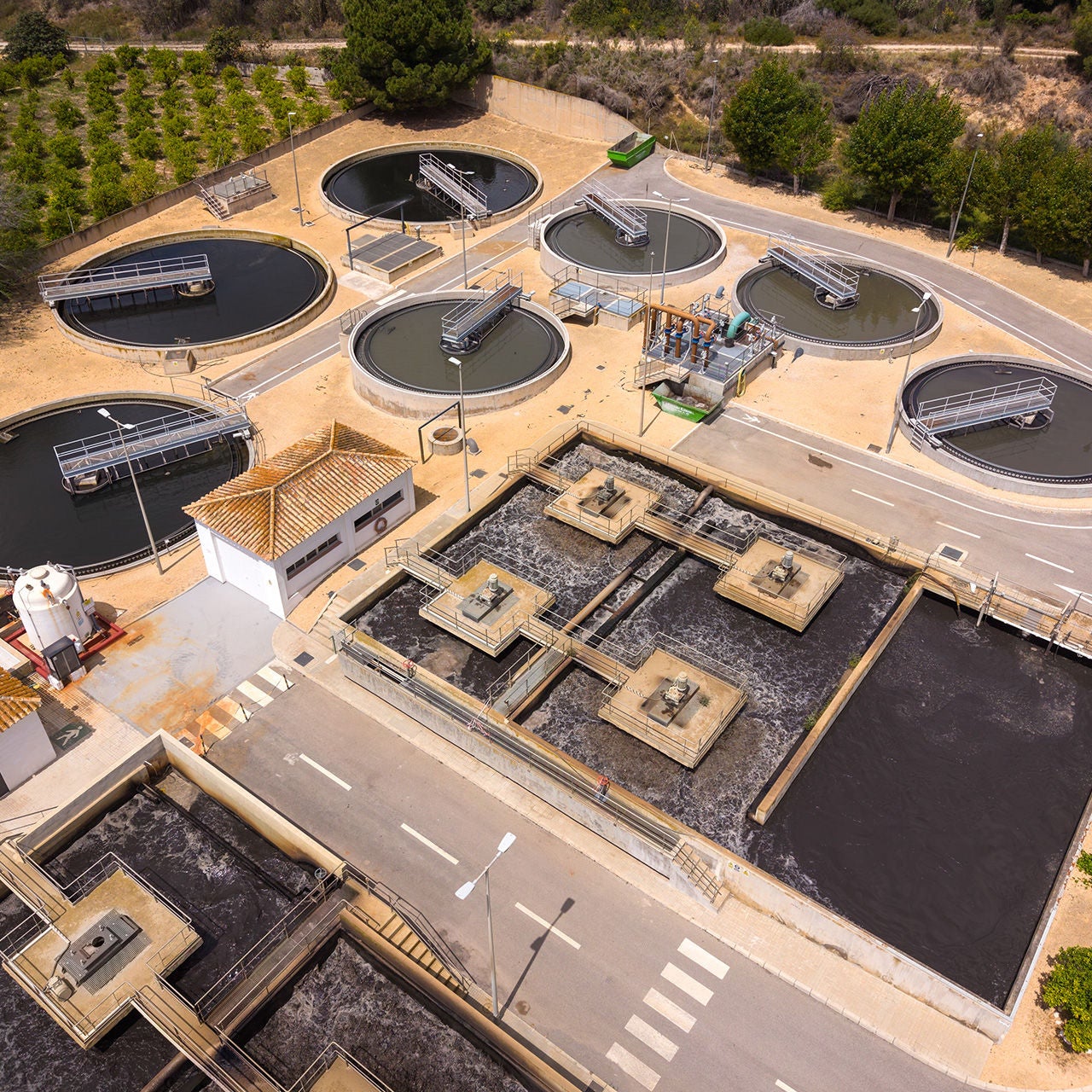
Integration and scalability
Why are Fiber Optics a Cost-Effective Investment for Grid Modernization?
Investing in fiber broadband provides utilities with network consolidation and scalable performance, ensuring long-term financial and operational benefits:
- Future-Proof Network Scalability: Fiber inherently supports the massive data loads needed for transitioning to AI-powered predictive maintenance, ensuring utilities can prevent outages proactively.
- Consolidated Architecture Savings: Systems like Passive Optical Networks (PON) simplify grid infrastructure by connecting multiple endpoints through a single fiber, substantially lowering capital expenditures on cabling and equipment.
FAQ’s about grid modernization for utilities
Fiber optic networks serve as a high-speed communication backbone that radically modernizes utility operations. Compared to traditional copper networks, fiber provides a highly secure, reliable data flow that enables real-time device interaction, advanced predictive analytics, and centralized control over critical grid installations.
Effective grid control requires near-instantaneous data exchange between substations and centralized control centers. Sub-5ms latency is essential for real-time automated decision-making and load balancing. High-speed fiber networks enable FLISR (Fault Location, Isolation, and Service Restoration) systems to instantly pinpoint faults and reroute power, drastically reducing outage durations for customers.
Fiber's unique physical properties offer superior protection against both environmental and cybersecurity threats. Because fiber uses light rather than electrical signals, it is entirely immune to electromagnetic interference (EMI) and lightning strikes in high-voltage environments. Additionally, fiber provides a hardened physical layer for cybersecurity, as the signals are nearly impossible to tap or intercept without immediate network detection.
Connecting millions of smart meters and distributed IoT sensors requires massive network bandwidth to prevent data congestion. High-capacity fiber broadband provides the necessary scalability to unify these grid-edge devices, ensuring seamless, real-time communication across the entire utility infrastructure.
Investing in fiber optics provides long-term cost savings through network consolidation and inherent scalability. By utilizing architecture like Passive Optical Networks (PON), utilities can connect multiple grid endpoints using a single fiber line, significantly reducing equipment and cabling expenses. Furthermore, utilities can leverage existing Optical Ground Wires (OPGW) on towers to rapidly deploy advanced monitoring without the high costs of adding new field sensors.
Related products and services
The capabilities you need

Bring 100G, high-density OLT, aggregation, and subscriber management together to help you transform and simplify your existing or new access network.
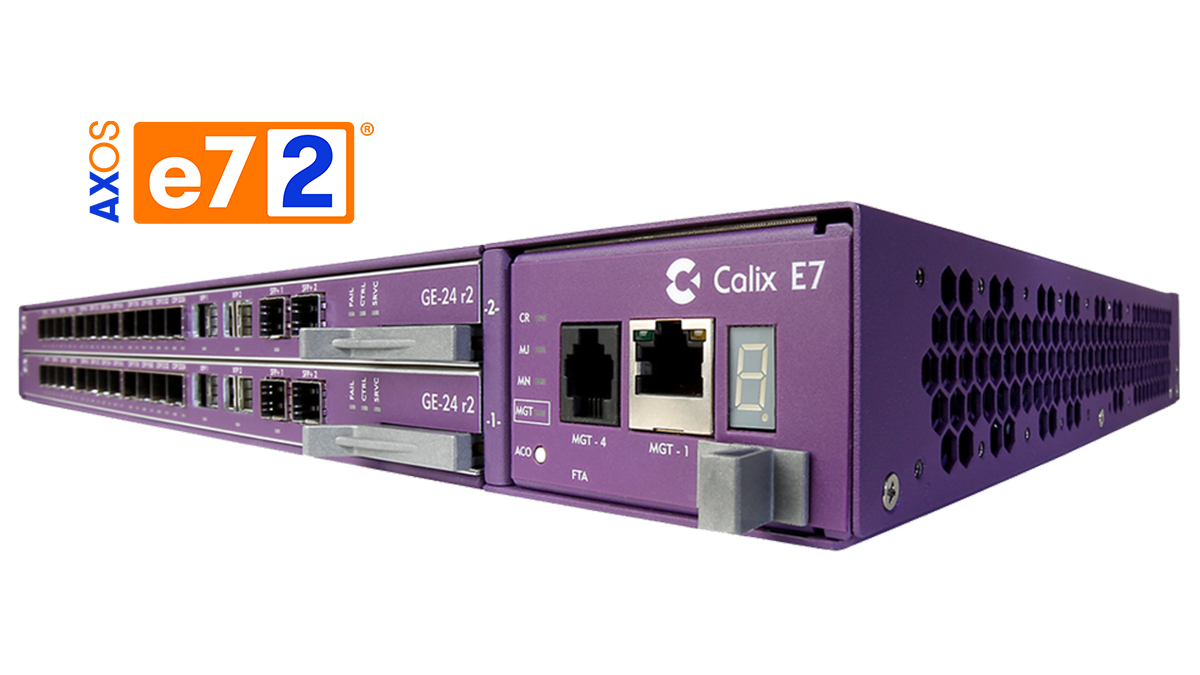
Deploy the bandwidth you need now, with the flexibility to easily keep pace with accelerating change.

A hardened outdoor tri-band Wi-Fi 6E appliance bringing exceptional connectivity, speed, and wireless coverage to some of the most challenging environments.

The Calix family of ONTs/ONUs enable residential and business subscribers to receive Gigabit broadband service on a single fiber.

Reduce risk, scale your team, and accelerate the deployment of advanced solutions—while overcoming barriers to business transformation.